Regenerative Solutions for
Pickleball & Tennis Injuries
Keep Your Game Strong with Natural Healing
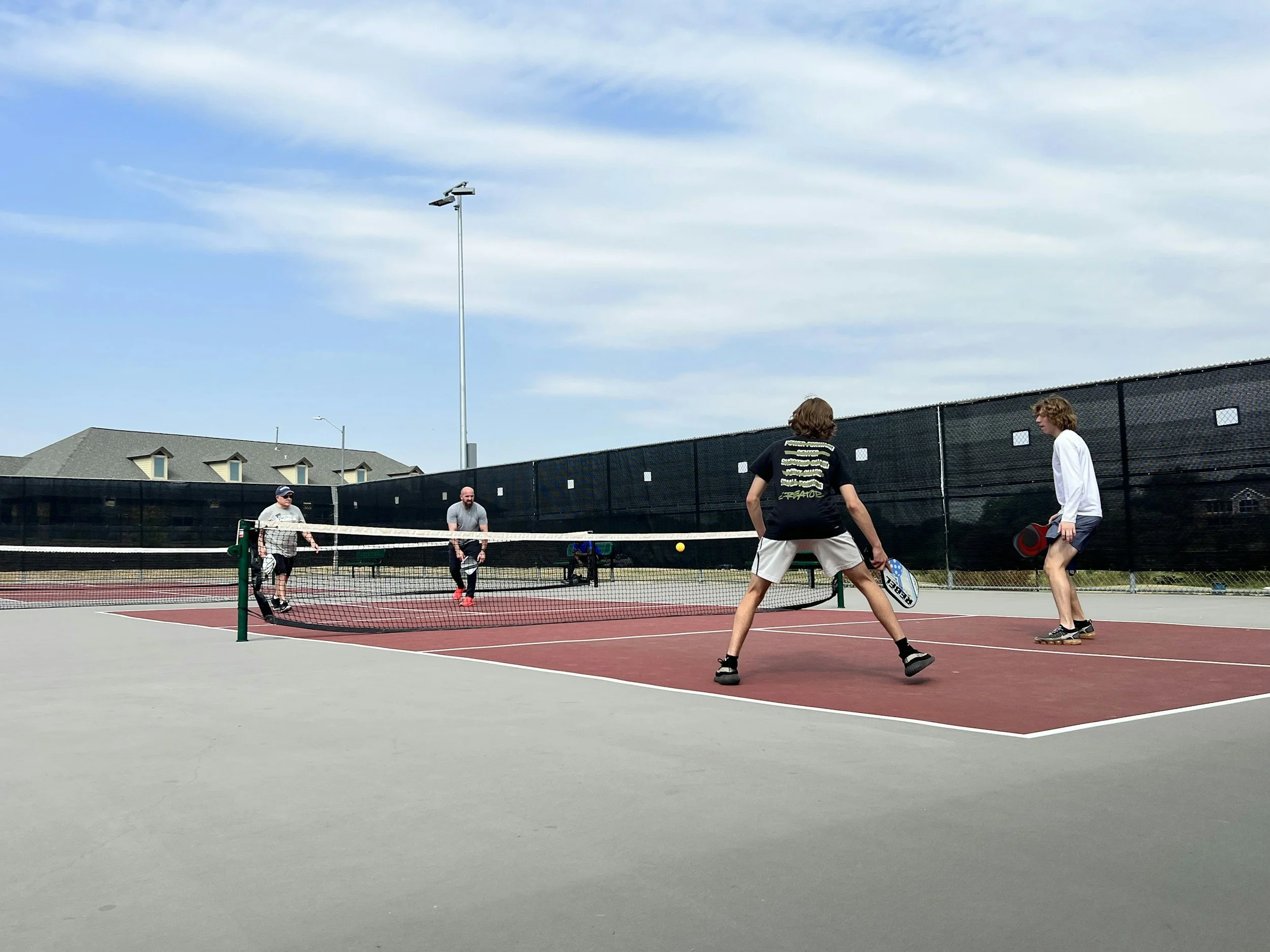
Pickleball has exploded in popularity, growing more than 223% since 2020 to become America's fastest-growing sport. Tennis continues to be a beloved activity for players of all ages. But the repetitive motions, quick pivots, and explosive movements required in both racket sports place significant stress on your joints, tendons, and muscles.
At Good Soil Health, we understand the unique physical demands that racket sports take on your body. Our regenerative therapies offer players a path back to the court without surgery or prolonged downtime.
Who We See Most Often
Chronic pain from years of playing
Injury recovery after overuse or poor mechanics
Repetitive-use strain from racket sports
Limited mobility affecting your serve, backhand, or quick movements
“I’ve rested and iced, but the pain keeps coming back…”
Why Racket Sport Players Need Regenerative Medicine
Tissue Repair, Not Just Pain Relief
• Address the root cause of joint damage
• Promote actual healing and regeneration
Get Back on the Court Faster
• Accelerate recovery compared to surgery
• Dodge prolonged conservative treatment
Non-surgical Solutions
• Avoid lengthy downtime and surgical risk
• Achieve meaningful results
Natural Healing
• Work with your body’s own repair mechanisms
• Prevent symptom masking
Long-Lasting Results + Prevent Future Injury
• Support last tissue regeneration
• Strengthen damaged tissues
Maintain Your Game
• Stay competitive and active!
Golfer’s and Tennis Elbow
Medial epicondylitis, or "golfer's elbow," and lateral epicondylitis, or “tennis elbow”, are common golf-related injuries. These conditions involve inflammation of the tendons that attach your forearm muscles to the bone at your elbow.
Symptoms Include:
Pain and tenderness on elbow, weakness in hands and wrists, pain that radiates, discomfort when gripping and elbow stiffness.
Shoulder Injuries
Shoulder pain is one of the most common complaints among racket sport players. The repetitive overhead motions during serves and aggressive shots can strain or injure the rotator cuff, the group of muscles and tendons supporting the arm at the shoulder joint.
Common shoulder problems:
Rotator cuff tears, tendinitis, shoulder impingement, AC joint pain, bursitis, dislocated shoulder, shoulder sprains and strains, and reduced range of motion.
Ankle & Achilles Injuries
Ankle and Achilles injuries are common in racket sports due to the quick lateral movements, sudden pivots, and explosive jumping required during play. Ankle sprains occur when you step wrong or lunge for a ball, causing the ligaments to stretch or tear. Achilles tendonitis develops when the tendon connecting the calf muscles to the heel bone becomes inflamed from repetitive strain. Over time, this can lead to small tears in the tendon.
Common shoulder problems:
Achilles tendinitis, lateral ankle sprains, chronic ankle instability, swelling, worsening pain, and limited range of motion.
Knee Injuries
The quick starts, stops, and changes in direction necessary in both pickleball and tennis place considerable stress on the knee joints. The sudden pivoting and lateral movements combined with explosive forward motion can strain knee structures.
Knee conditions affecting golfers:
Meniscus tears, ACL and MCL sprains, jumper’s knee, runner’s knee, chronic instability, and osteoarthritis.
Wrist & Hand Injuries
Wrist injuries develop from the repetitive gripping and wrist snapping motions required in racket sports. The constant stress on the wrist joint and surrounding tendons can lead to overuse injuries.
Wrist conditions include:
Wrist sprains, tendinitis, carpal tunnel syndrome, arthritis, and pain and stiffness.
Lower Back Pain
Back pain in racket sports often results from poor posture or improper technique. Players may hunch or round their backs during play, causing back soreness over time. The rotational forces and bending motions can also strain lower back muscles and structures.
Back conditions affecting players:
Muscle strains, chronic inflammation, facet joint pain, and reduced flexibility.
“One of the first questions I ask is how the pain is affecting your day-to-day life and that tells me far more than any scan.”
Targeted Treatment Approach
Platelet-Rich Plasma (PRP) Injections - uses your own platelets to support tissue healing
Stem Cell Therapy: Regenerative Medicine for Chronic Pain - may help support tissue repair and joint structure
Rehab & Movement Strategy - helps restore strength and range of motion
Not sure what’s causing your pain? Or what the course of action to take?
That’s exactly what the evaluation is for.
Schedule Your Racket Sport Injury Evaluation
Results vary and depend on individual medical factors. All treatment decisions are made following a full evaluation — we never recommend regenerative therapy without appropriate screening.