Keep Rolling Strong with Natural Healing
Brazilian Jiu-Jitsu and MMA training demand exceptional physical resilience. The joint locks, takedowns, and intense grappling place unique stress on your body that few other sports can match. Studies show that 9 out of 10 BJJ practitioners sustain at least one injury during their training career, with almost 60% of competitors reporting previous injuries. The injury incidence rate during competition reaches 38.6 injuries per 1,000 athlete exposures, with elbow and knee joints showing the highest injury rates at 7.5 injuries per 1,000 exposures each.
At Good Soil Health, we understand the physical toll that combat sports take on your body. Our regenerative therapies offer grapplers and fighters a path back to the mats without surgery or prolonged downtime.
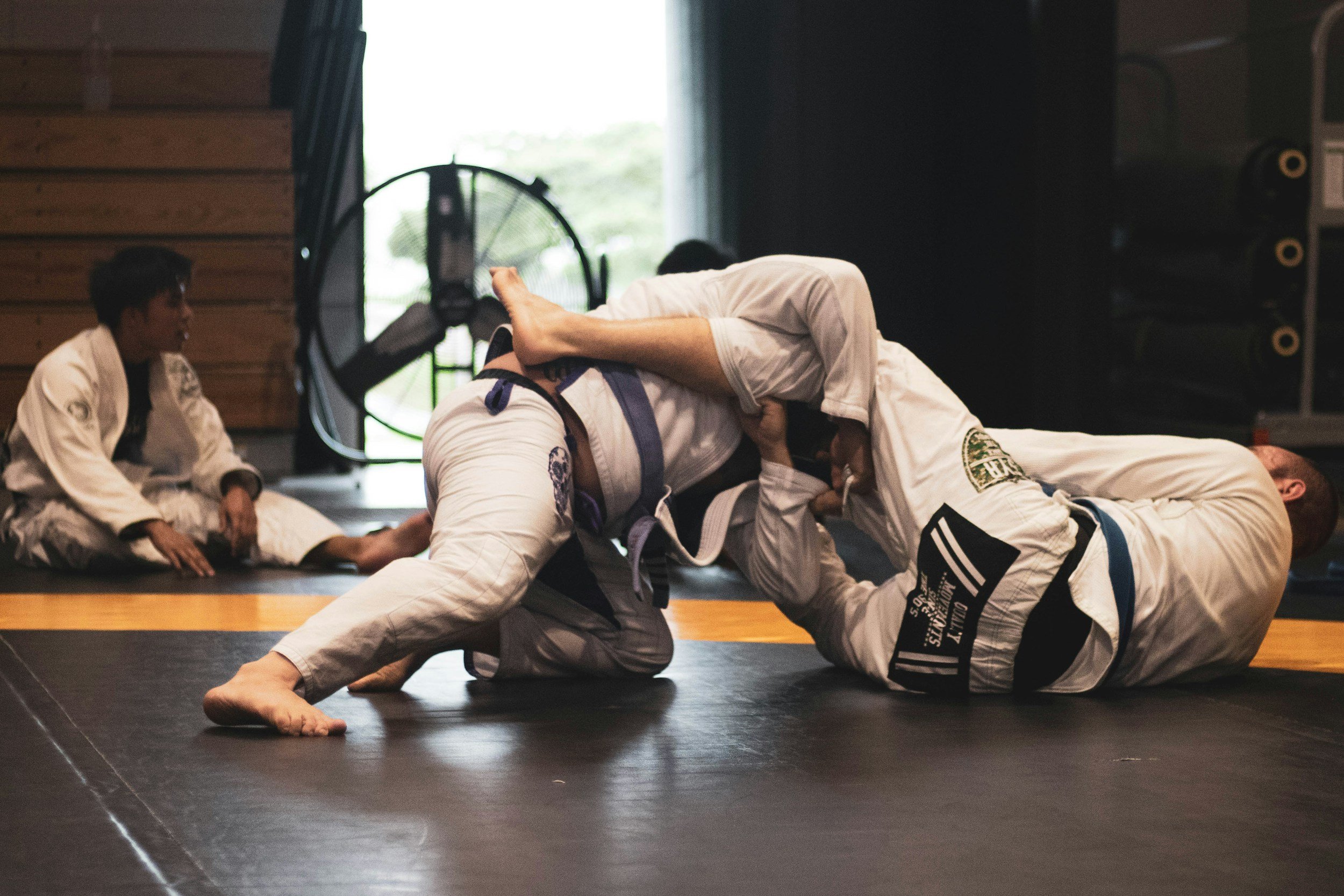
Regenerative Solutions for
MMA & Brazilian Jiu-Jitsu
Who We See Most Often
Chronic pain from years of training and competing
Injury recovery from submissions, takedowns, or sparring
Repetitive-use strain from drilling and rolling
Limited mobility affecting your technique or performance
"I've rested and modified training, but the pain keeps coming back..."
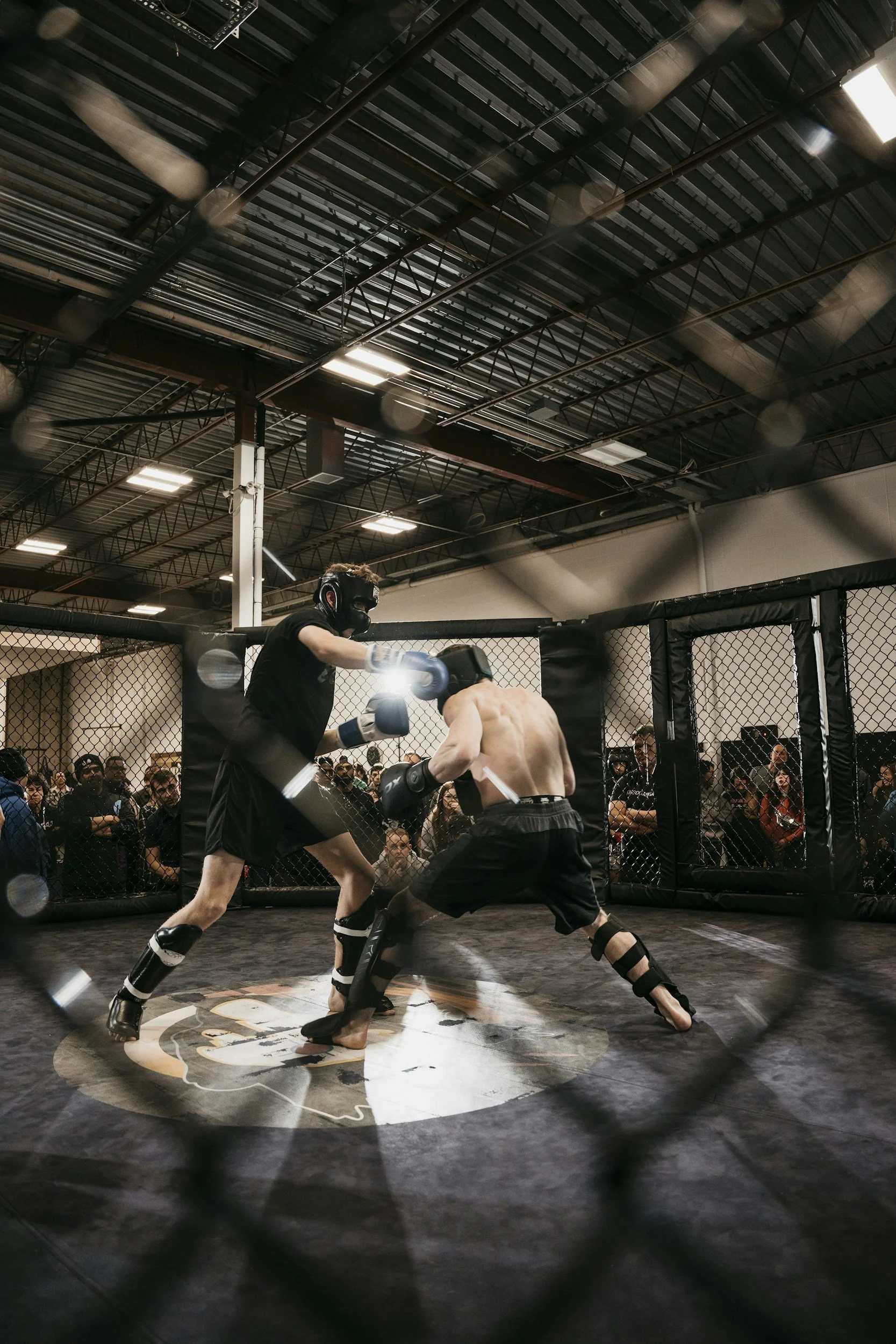
Common Joint Injuries Among MMA & BJJ Practitioners
Tissue Repair, Not Just Pain Relief
• Address the root cause of joint damage
• Promote actual healing and regeneration
Get Back to Training Faster
• Accelerate recovery compared to surgery
• Dodge prolonged conservative treatment
Non-surgical Solutions
• Avoid lengthy downtime and surgical risk
• Achieve meaningful results
Natural Healing
• Work with your body’s own repair mechanisms
• Prevent symptom masking
Long-Lasting Results
• Support last tissue regeneration
• Strengthen damaged tissues
Maintain Training Volume
• Stay competitive and active!
Knee Injuries
The knee is the most commonly injured joint in BJJ and MMA, with 32.7% of all injuries occurring to this area. Around 61.5% of BJJ athletes report knee-related injuries at some point in their training. Knee twists during scrambles, opponents controlling the knee joint in submissions like heel hooks and knee bars, and the constant twisting and bending motions place enormous stress on knee structures.
Common knee conditions in grapplers:
ACL and MCL tears, meniscus tears, patellar tendinitis, chronic instability, ligament sprains, and early osteoarthritis.
Shoulder Injuries
Shoulder injuries account for 16.8% of all BJJ injuries, with an incidence rate of 5.0 injuries per 1000 athlete exposures. Shoulder sprains are extremely common due to the stress shoulders must endure during techniques like armbars, kimuras, and omoplatas. These injuries frequently occur during intense grappling sessions, takedowns, and throws, particularly when posting on an outstretched arm to break a fall.
Common shoulder problems in fighters:
Rotator cuff tears or tendinitis, shoulder dislocations, AC joint separations, shoulder impingement, labral tears, chronic instability, and capsulolabral injuries.
Elbow Injuries
Elbow injuries are consistently reported across Judo, Sambo, and Brazilian Jiu-Jitsu, with the elbow showing one of the highest injury rates at 7.5 injuries per 1000 athlete exposures. Studies show the elbow was the most injury-prone joint during competition, accounting for 38.9% of all orthopedic injuries in some tournament data. Elbow pain accounts for 8.9% of total BJJ injuries.
Elbow conditions affecting grapplers:
Ulnar collateral ligament damage, MCL sprains, hyperextension injuries, chronic pain and reduced range, tennis elbow, and joint lock trauma.
Hand & Finger Injuries
Hand and finger injuries are the most common injuries in BJJ regardless of belt rank or competitor status. These injuries also incur the most fractures, suggesting that fingers and hands are particularly vulnerable. Grip fighting and sudden jerking motions strain the ligaments in fingers and wrists. Finger injuries account for 7.6% of total injuries.
Hand and finger conditions include:
Traumatic finger polyarthrosis, finger joint deformity, hyperextension injuries, UCL tears (“skier’s thumb”), chronic weakness, and overuse injuries.
Neck & Spinal Injuries
The nature of BJJ and MMA, with groundwork and submission holds, places the neck and spine at significant risk. All 11 reported neck injuries in one study occurred during practice rather than competition. Back and neck injuries result from chokes, neck cranks, being crushed while inverting, and takedowns.
Wrist conditions include:
Neck strains and muscle spasms, herniated discs, muscle strains, facet joint pain, chronic lower back pain, and spinal instability.
Ankle Injuries
Ankle injuries show an incidence rate of 5.0 injuries per 1000 athlete exposures. These occur from foot locks, sudden twisting during scrambles, and the constant movement required during grappling.
Ankle conditions include:
Ankle sprains, chronic instability, ligament damage, and reduced mobility.
“One of the first questions I ask is how the pain is affecting your day-to-day life and that tells me far more than any scan.”
Targeted Treatment Approach
Platelet-Rich Plasma (PRP) Injections - uses your own platelets to support tissue healing in ligaments, tendons, and joints damaged by submissions and overuse
Stem Cell Therapy: Regenerative Medicine for Chronic Pain - may help support tissue repair and joint structure in degenerative conditions from cumulative trauma
Rehab & Movement Strategy - helps restore strength, stability, and joint integrity while addressing movement patterns and muscle imbalances that contribute to injury
Not sure what's causing your pain? Or what the course of action to take?
That’s exactly what the evaluation is for.
Schedule Your MMA/BJJ Injury Evaluation
Results vary and depend on individual medical factors. All treatment decisions are made following a full evaluation — we never recommend regenerative therapy without appropriate screening.