Regenerative Solutions for Golf Injuries
Keep Your Swing Strong with Natural Healing
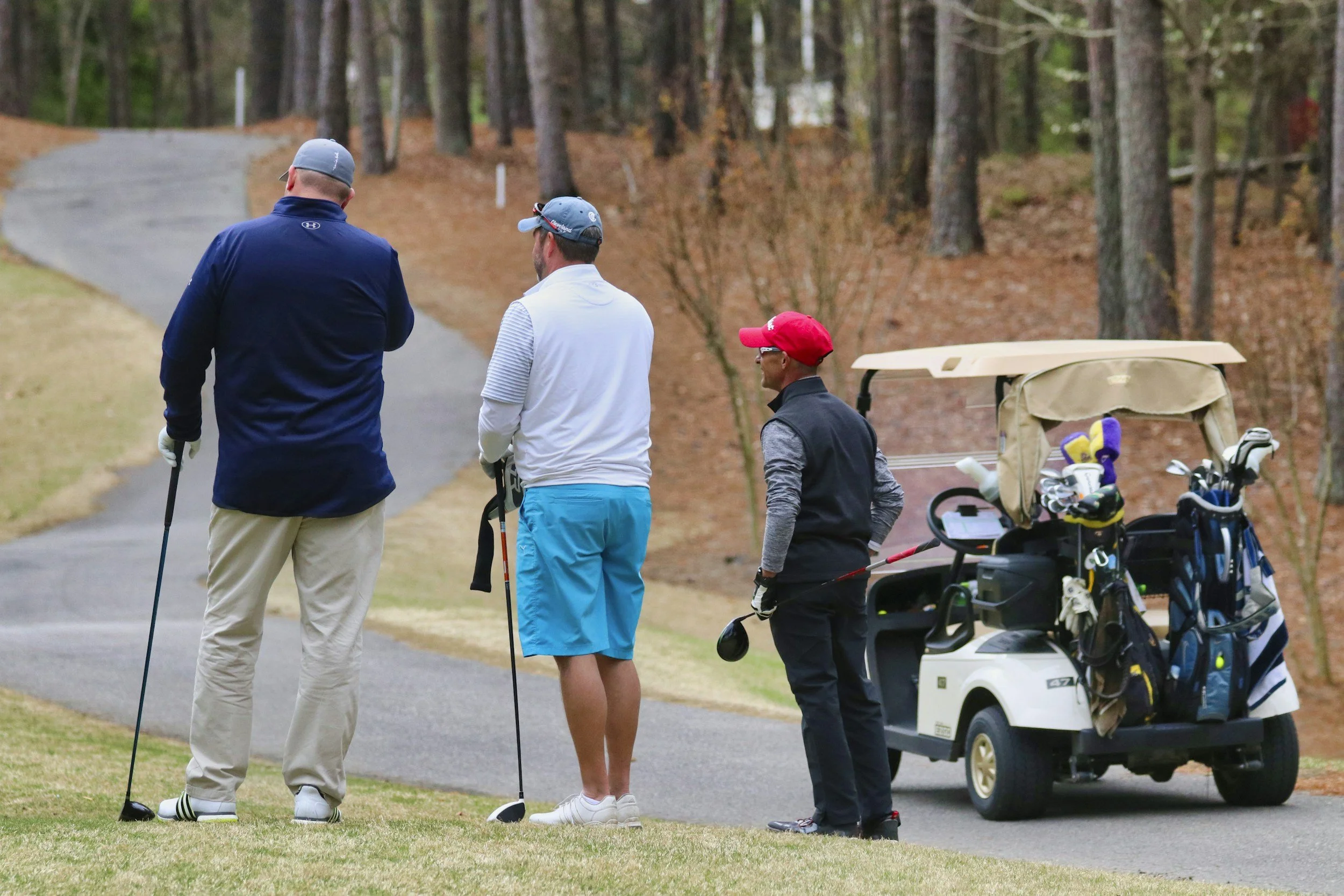
Golf may seem like a gentle, low-impact sport, but the repetitive nature of the golf swing places significant stress on your joints, tendons, and spine. More than half of all golfers are at risk of suffering a musculoskeletal injury during their lifetime, including 70%+ of professional golfers and 55%+ of amateur golfers.
At Good Soil Health, we understand the unique physical demands that golf places on your body. Our regenerative therapies offer golfers a path back to the course without surgery or prolonged downtime.
Who We See Most Often
Chronic pain from years of playing
Injury recovery after overuse or poor mechanics
Repetitive-use strain from the golf swing
Limited mobility affecting your swing or follow-through
“I’ve rested and tried cortisone shots, but nothing’s working…”
Why Golfers Need Regenerative Medicine
Tissue Repair, Not Just Pain Relief
• Address the root cause of joint damage
• Promote actual healing and regeneration
Get Back on the Course Faster
• Accelerate recovery compared to surgery
• Dodge prolonged conservative treatment
Non-surgical Solutions
• Avoid lengthy downtime and surgical risk
• Achieve meaningful results
Natural Healing
• Work with your body’s own repair mechanisms
• Prevent symptom masking
Long-Lasting Results + Prevent Future Injury
• Support last tissue regeneration
• Strengthen damaged tissues
Maintain Your Game
• Stay competitive and active!
Lower Back Pain
Low back injuries are the most common complaint among golfers, accounting for up to 34% of all golf injuries. The rotational stresses of the golf swing can place considerable pressure on the spine and muscles, particularly when combined with poor flexibility or muscle strength.
Common back conditions in golfers:
Muscle strains, facet joint syndrome, herniated discs, sacroiliac joint dysfunction, and chronic inflammation.
Golfer’s and Tennis Elbow
Medial epicondylitis, or "golfer's elbow," and lateral epicondylitis, or “tennis elbow”, are common golf-related injuries. These conditions involve inflammation of the tendons that attach your forearm muscles to the bone at your elbow.
Symptoms Include:
Pain and tenderness on elbow, weakness in hands and wrists, pain that radiates, discomfort when gripping and elbow stiffness.
Shoulder Injuries
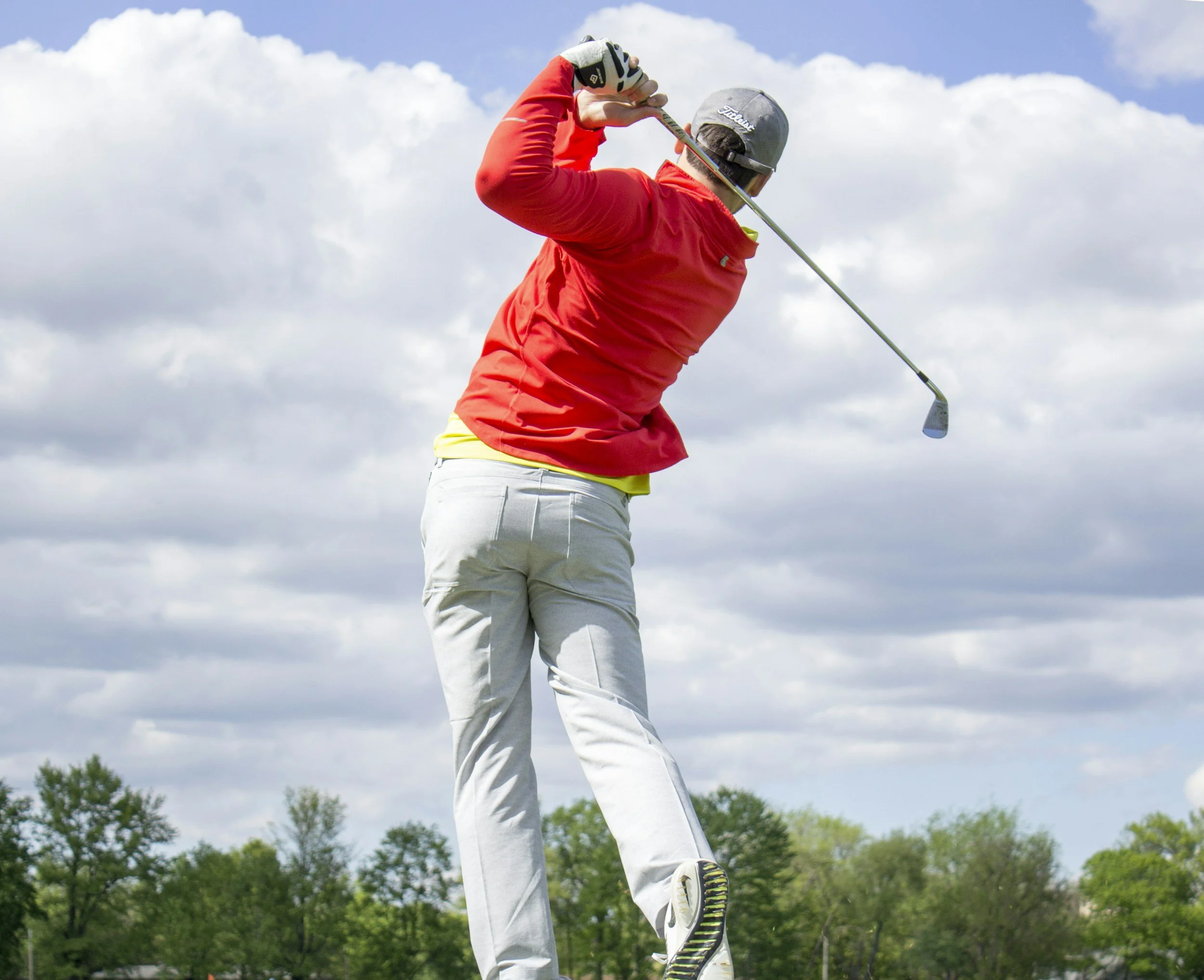
During the backswing, the shoulders undergo significant rotation and elevation, placing stress on the rotator cuff. The shoulder joint has more muscles and ligaments attached than any other joint, making it particularly vulnerable to injury.
Common shoulder problems:
Rotator cuff tears or tendinitis, shoulder impingement, AC joint pain, bursitis, SLAP tears, and frozen shoulder.
Knee Injuries
The golf swing places a great amount of torque on the knee structure, with a force of up to 4.5 times the golfer's body weight exerted on the forward knee. The sudden rotation during the downswing combined with walking across uneven ground can strain the knee joint.
Knee conditions affecting golfers:
Meniscus tears, ACL and ligaments sprains, patellar tendinitis, osteoarthritis, and chronic instability.
Wrist & Hand Injuries
The wrists and hands absorb significant impact forces, especially when the club strikes the ground during mishit shots or when hitting from sand or rough terrain.
Wrist conditions include:
Wrist sprains, tendinitis, carpal tunnel syndrome, and pain and stiffness.
Hip Pain
Hip rotation is fundamental to an effective golf swing, but the repetitive twisting motion can lead to overuse injuries, particularly in players with limited flexibility or strength.
Hip conditions affecting golfers:
Hip flexor strains, labral tears, bursitis, reduced range of motion, and developing groin pain.
“One of the first questions I ask is how the pain is affecting your day-to-day life and that tells me far more than any scan.”
Targeted Treatment Approach
Platelet-Rich Plasma (PRP) Injections - uses your own platelets to support tissue healing
Stem Cell Therapy: Regenerative Medicine for Chronic Pain - may help support tissue repair and joint structure
Rehab & Movement Strategy - helps restore strength and range of motion
Not sure what’s causing your pain? Or what the course of action to take?
That’s exactly what the evaluation is for.
Schedule Your Golf Injury Evaluation
Results vary and depend on individual medical factors. All treatment decisions are made following a full evaluation — we never recommend regenerative therapy without appropriate screening.